
Internal · Search by door type
Screens
Separation without enclosure.
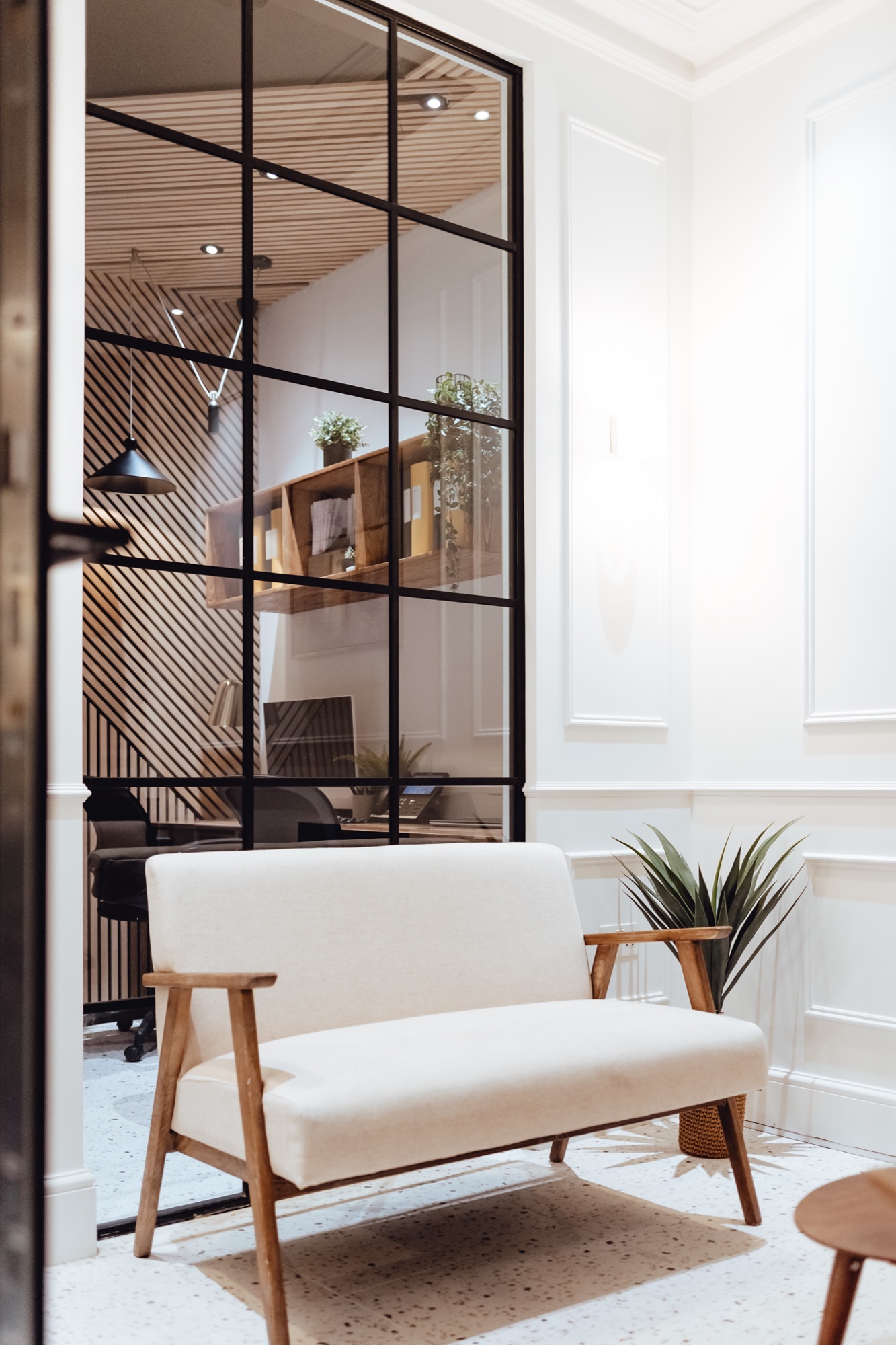
Screens · Inspiration
Space, defined. Your specification.Screens
A classic opening
Made for your room
Explore steel screens across different interiors, finishes and glazing choices.
Every screen is specified for its opening. Glazing, hardware and finish are confirmed for your project.
How it’s built
A fixed panel or series of panels in a steel frame, glazed with single or double-glazed glass. No door opening. Fixed to floor and ceiling, or free-standing on a structural base.
Where it works best
Between rooms where you want visual separation without acoustic or physical division. Behind a sofa in an open-plan space. At the end of a kitchen to partially screen a dining area.
How to order it right
Confirm the position, dimensions and whether the screen is fixed to structure or free-standing. Specify glass and finish. Lead time 8 to 10 weeks.
From a recent project
“The screen behind the kitchen island defines the dining area without closing it off. It is exactly what the space needed.”Interior designer, Glasgow
The details, answered
Your questions
Clear answers
What is the difference between a screen and a partition?
A screen is a fixed glazed panel with no door opening. It provides visual separation and can define zones within an open-plan space without fully enclosing them. A partition typically fills the full height of a structural opening and usually includes a door. If you need to close off the space acoustically or physically, a partition is more appropriate.
Can a screen be free-standing?
Yes. Free-standing screens sit on a structural steel base bolted to the floor. This is useful where you cannot fix to a ceiling, or where you want the option to reposition the screen in the future. The base is designed as part of the screen and powder-coated to match.
How tall can a screen be?
Up to full ceiling height as a fixed panel, provided there is a structural fixing point at the top. Very tall or very wide screens may need a structural assessment. We advise on this during the drawing process.
What glass options are available?
Clear, ultra-clear, reeded, fluted, frosted and smoked. The glass choice determines how much visual separation the screen provides. Reeded or frosted softens the view without blocking light, while clear glass gives a more transparent division.
Can a screen be double-glazed?
Yes, where acoustic separation or thermal performance is needed. Double-glazed units add some depth to the frame profile. We advise on whether double glazing is worthwhile for your specific situation.
Can I add a door to a screen later?
Not to an existing screen. A door opening needs to be designed into the frame from the start, as it changes the structural approach and the detailing at the opening. If there is any possibility you will want a door in the future, we recommend designing it in now.
Is a screen suitable for an external application?
Yes. Fixed external screens are available, thermally broken and weathersealed. They are commonly used as garden dividers, terrace enclosures and glazed balustrading. Specify the external use at the time of order.
How long does manufacture take?
8 to 10 weeks from drawing sign-off. Free-standing screens or external screens may add time. We confirm the programme at the time of order.
Do you install?
Yes. We are based in London and install across the UK. We also supply-only to your contractor anywhere in the UK, and we deliver to European countries. Full fitting instructions are included with every supply-only order.
What warranty do you offer?
Ten years on frames and glazing, five years on hardware. External screens carry a five-year powder-coat warranty on the external face.
Start your project
Tell us about the space
and the separation you are looking for
We will come back with a drawing.
